 Illustration
Check Which Wind Features Are Documented
Mark each feature as documented, not present, or not sure. The summary shows what is still missing.
Check Which Wind Features Are Documented
Choose only what you can support with inspection details or documents. This checker does not determine eligibility.
- 1. Building codeBuilding code: the home's year built or documents show it was built to the 2001 Florida Building Code or later
- 2. Roof coveringRoof covering documentation shows the applicable standard or installation date
- 3. Roof deck attachmentRoof deck attachment is documented
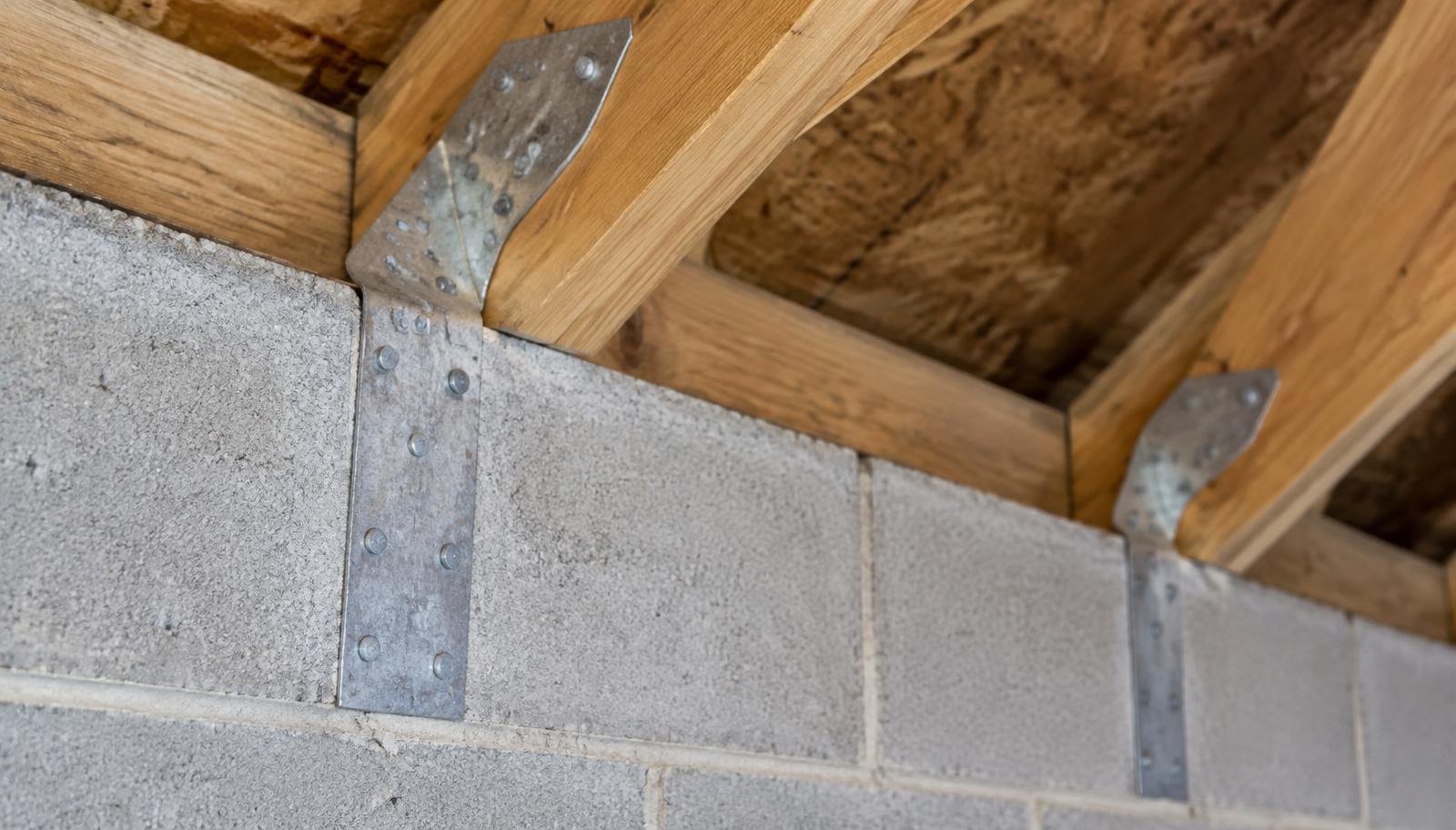
- 4. Roof-to-wall connectionRoof-to-wall connection is documented (clips, single wraps, or double wraps)
- 5. Roof shapeRoof shape qualifies as hip under the form's definition
- 6. Secondary water resistanceA qualifying secondary water resistance layer is documented
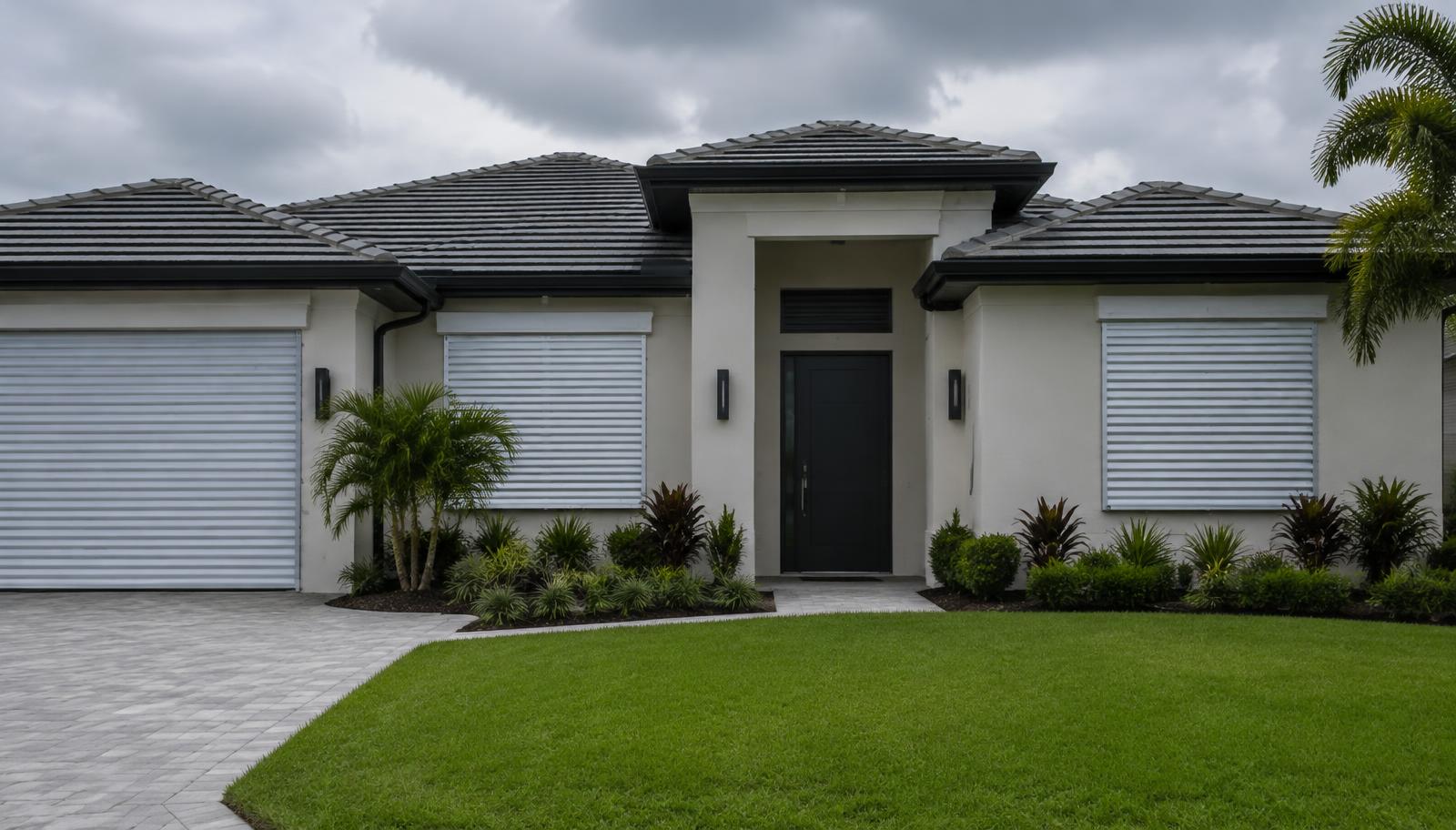
- 7. Opening protectionOpening protection: windows, glass doors, entry doors and the garage door all have qualifying impact protection
Which findings can affect credits?
The form records roof covering status, deck attachment strength, roof-to-wall connection, roof shape, secondary water resistance, and opening protection, along with the building-code basis. Stronger documented classifications can qualify for credits under the insurer's rating plan.
The weakest connection may control a category. A few double wraps do not make the whole roof-to-wall system double-wrapped. Opening protection may depend on all required openings, not just the front windows. This is why complete photographs and labels matter.
A hip roof can receive different treatment from other geometry when it meets the form definition. A casual description in a listing is not enough. The inspector records dimensions and form criteria.
Why can savings vary so much?
Insurers use different base premiums and approved rating plans. The same feature can affect two policies differently. Existing credits also matter: documenting a feature already on the policy may produce no new change even though the report confirms it.
Credits apply to parts of the premium tied to wind risk, not necessarily every charge. Deductibles, coverage amounts, location, replacement cost, and other underwriting factors still shape the total. Never rely on a promised dollar or percentage before the insurer processes the report.
Ask the agent for a before-and-after explanation. Confirm the form classifications used and the effective date. If the outcome differs from expectation, compare the processed categories with the signed report instead of assuming the inspection failed.
Should I upgrade only for a credit?
Start with the report and agent feedback. Improving opening protection or roof connections can reduce damage risk, but cost and insurance effect vary. Get a clear classification target before spending and verify that the whole feature group must be completed.
Secondary water resistance is easiest to document during roof work because it sits below the covering. Connection upgrades can be difficult in a finished home. Opening projects need every required product and attachment detail, not just impact glass in one room.
Consider safety, durability, maintenance, and insurance together. A feature can be worthwhile without a quick premium payback. The checker organizes what is known; it does not rank projects by return.
Common questions
How much will wind mitigation save me?
No dependable amount can be promised without the insurer applying the completed classifications to the policy. Ask your insurance agent for the processed result and effective date. Keep the signed form, photographs, and supporting documents together.
Do insurers have to offer wind credits?
Florida requires insurers to offer applicable credits for qualifying wind-mitigation features. Eligibility and the exact amount depend on documented features and the insurer's approved rating plan. Keep the signed form, photographs, and supporting documents together.
Why did my report not change the premium?
The policy may already include the credits, the documented features may not change a classification, or other policy changes may offset them. Compare the processed categories with the report through your agent. Keep the signed form, photographs, and supporting documents together.
Updated November 5, 2026