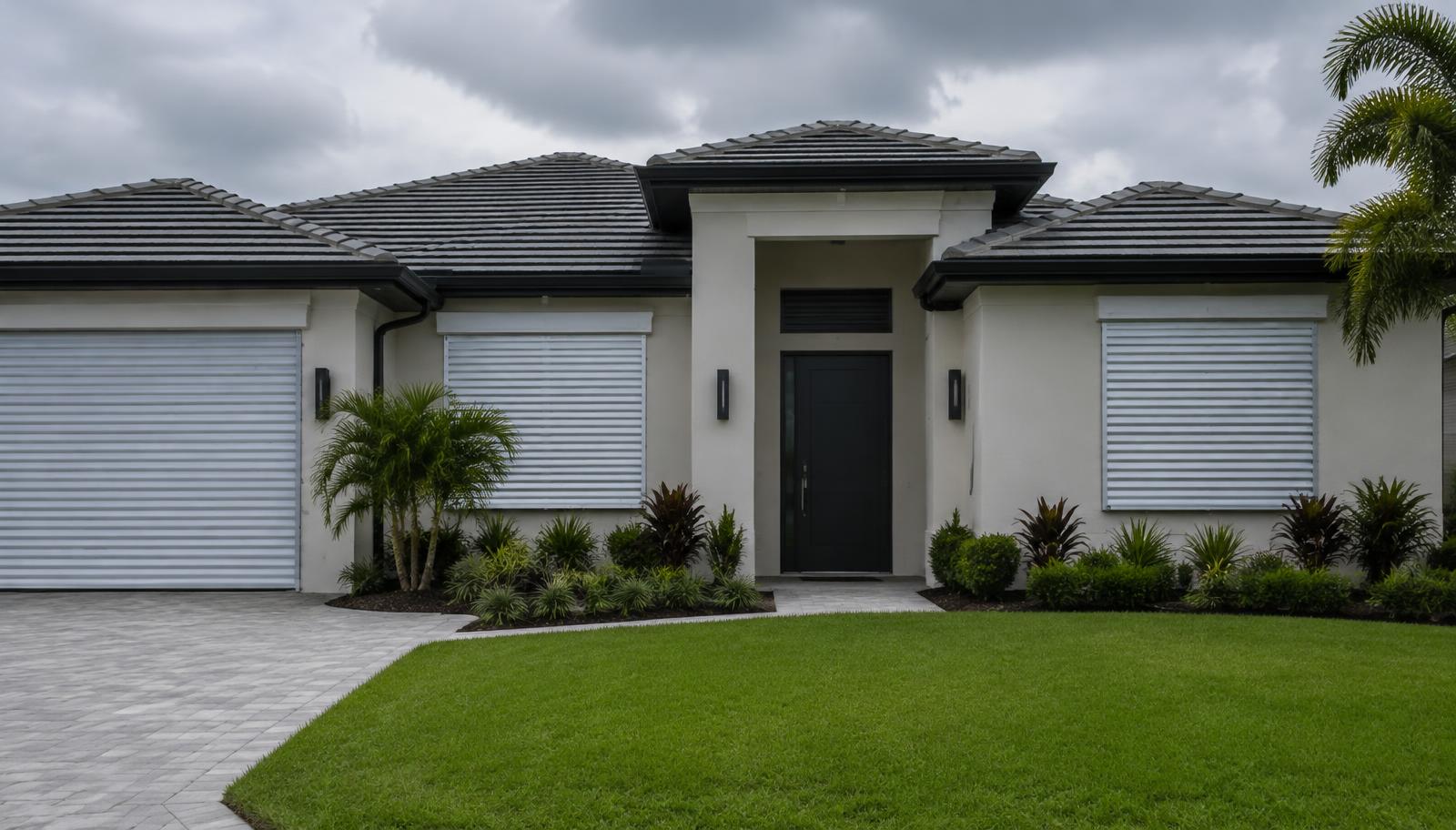
 Illustration
Check Which Wind Features Are Documented
Mark each feature as documented, not present, or not sure. The summary shows what is still missing.
Check Which Wind Features Are Documented
Choose only what you can support with inspection details or documents. This checker does not determine eligibility.
- 1. Building codeBuilding code: the home's year built or documents show it was built to the 2001 Florida Building Code or later
- 2. Roof coveringRoof covering documentation shows the applicable standard or installation date
- 3. Roof deck attachmentRoof deck attachment is documented
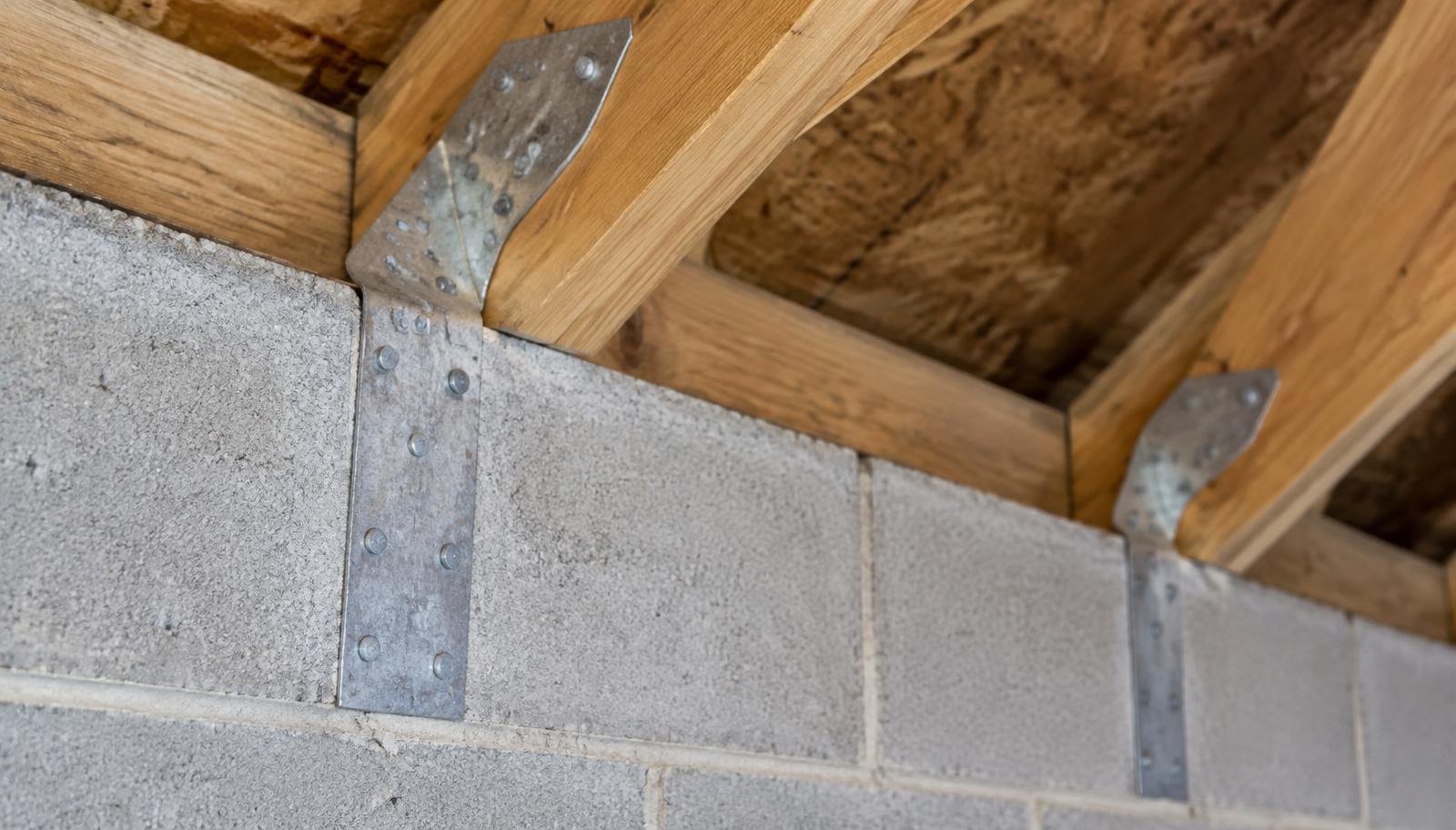
- 4. Roof-to-wall connectionRoof-to-wall connection is documented (clips, single wraps, or double wraps)
- 5. Roof shapeRoof shape qualifies as hip under the form's definition
- 6. Secondary water resistanceA qualifying secondary water resistance layer is documented
- 7. Opening protectionOpening protection: windows, glass doors, entry doors and the garage door all have qualifying impact protection
What changes the inspection price?
A larger or more complex home can take longer to document. Multiple roof sections, additions, shutters stored off the openings, and hard attic access can add time. Travel distance and scheduling also matter. Ask what is included rather than choosing from the fee alone.
A combined 4-point and wind visit may cost less than two separate trips, but the reports remain different. Confirm that the quoted amount includes the completed OIR-B1-1802 form, required photos, and delivery of the report files. Ask whether a return visit costs extra if access is blocked.
Very low offers deserve the same scope check as high ones. The value is a complete, accepted report with support for each classification. A fast visit that leaves features undocumented can cost more later if another inspection is needed.
Can the inspection pay for itself?
It may, but no savings amount can be promised. The home may already receive all available credits, or newly documented features may change the premium. The exact effect depends on the insurer's rating and the policy. Ask your agent to process the report and explain the result.
A low inspection fee does not justify an expensive upgrade by itself. Before changing openings, connections, or roof layers for insurance reasons, ask how the proposed completed feature would be classified. Get the answer in terms of the form category, not a guessed savings percentage.
Some homeowners value the documentation even when the immediate credit is modest. It creates an organized record of roof and opening features. That record can help later discussions, but it still may need updating after material changes.
How do I compare inspectors?
Confirm that the person is qualified to complete the Florida form and that your insurer accepts the report. Ask how attic limitations and opening labels are handled. A careful inspector should be comfortable saying when evidence is not enough.
Ask for the fee, rescheduling terms, included reports, photo delivery, and turnaround in writing. Do not provide unnecessary personal information through an unknown channel. The inspection needs property and policy details on the form, but you can confirm secure handling first.
For a 55+ community or manufactured-home park, mention access rules and home type when scheduling. The inspector can say whether that construction falls within the offered service and what documents will help.
Common questions
Is $100 a normal wind inspection price?
$100 sits within the rough $100-$175 planning range used here. Actual fees vary. Confirm that the complete form, photographs, and report delivery are included before comparing prices. Keep the signed form, photographs, and supporting documents together.
Does a 4-point inspection include wind mitigation?
Not automatically. They are separate reports with different purposes. Some inspectors offer both in one visit. Ask exactly which completed forms are included. Keep the signed form, photographs, and supporting documents together.
Will insurance reimburse the inspection fee?
That depends on the policy and any current program. Do not assume reimbursement. Ask your insurance agent before scheduling if the payment source matters to your decision. Keep the signed form, photographs, and supporting documents together.
Updated November 5, 2026