 Illustration
Check Which Wind Features Are Documented
Mark each feature as documented, not present, or not sure. The summary shows what is still missing.
Check Which Wind Features Are Documented
Choose only what you can support with inspection details or documents. This checker does not determine eligibility.
- 1. Building codeBuilding code: the home's year built or documents show it was built to the 2001 Florida Building Code or later
- 2. Roof coveringRoof covering documentation shows the applicable standard or installation date
- 3. Roof deck attachmentRoof deck attachment is documented
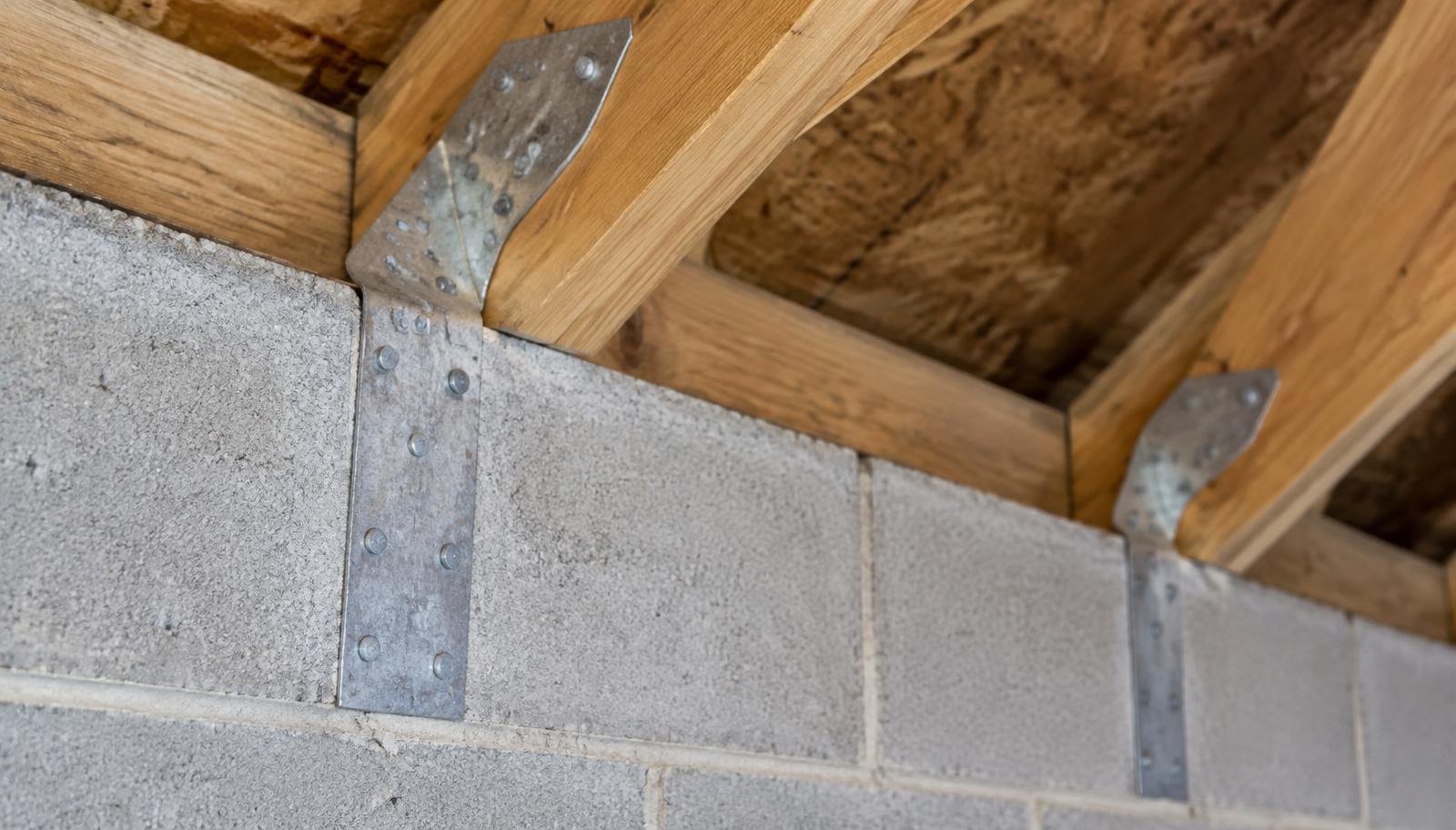
- 4. Roof-to-wall connectionRoof-to-wall connection is documented (clips, single wraps, or double wraps)
- 5. Roof shapeRoof shape qualifies as hip under the form's definition
- 6. Secondary water resistanceA qualifying secondary water resistance layer is documented
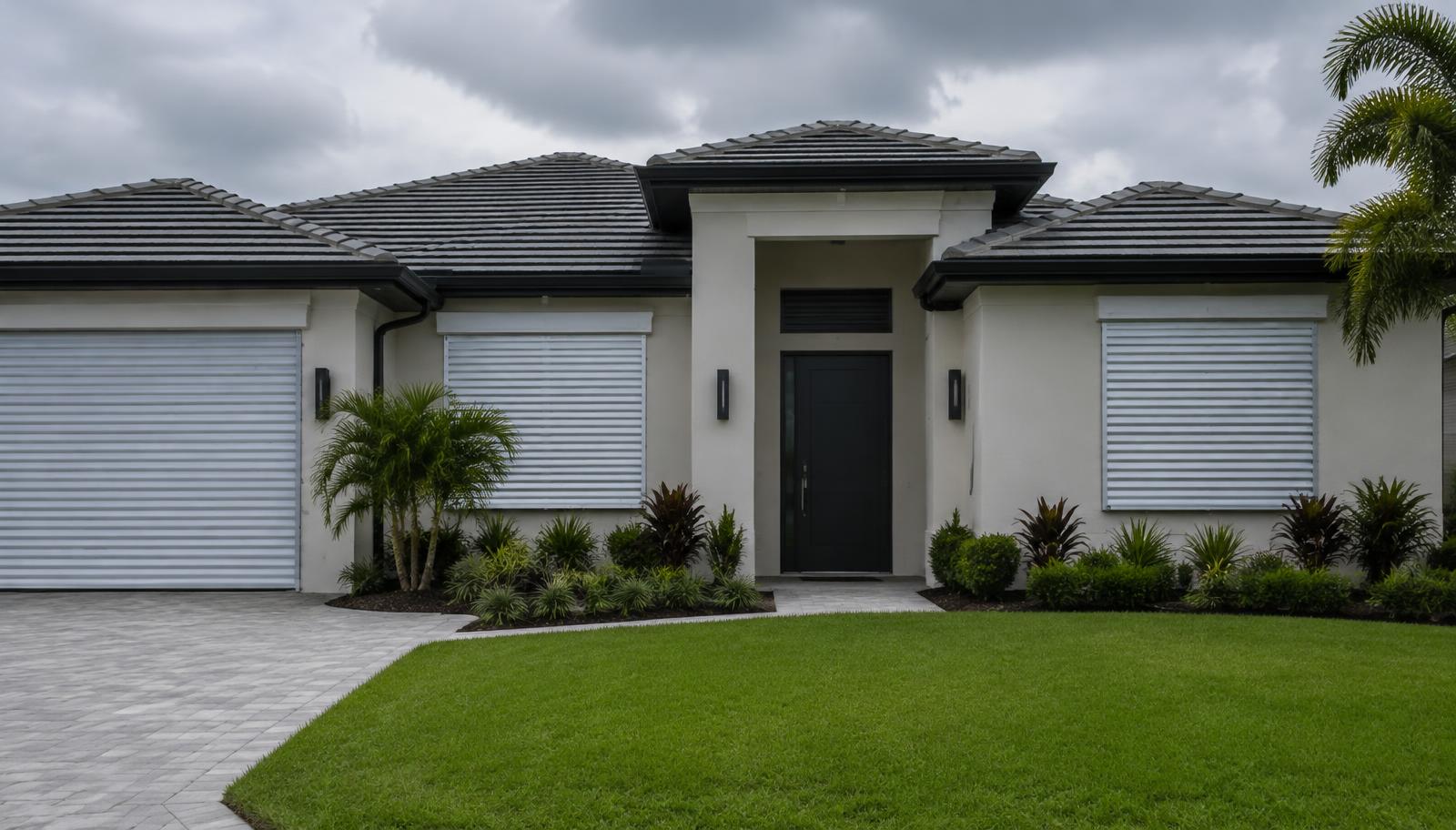
- 7. Opening protectionOpening protection: windows, glass doors, entry doors and the garage door all have qualifying impact protection
How is it different from ordinary underlayment?
Many roof systems include underlayment, but the wind form's secondary-water-resistance choice is narrower. A qualifying self-adhering layer applied to the deck is a common example. Certain sealed-deck approaches may qualify under the form details. Product name alone is not enough; installation and coverage matter.
A roof can shed normal rain well and still lack the form's qualifying layer. That does not mean the roof is defective. It means the mitigation category uses a defined standard for backup water protection after covering loss.
Tile roofs also have underlayment below the visible tile. The presence of tile does not prove the secondary layer qualifies. Documentation should identify the actual system below it.
Why is documentation difficult later?
The layer is hidden once shingles, metal, or tile are installed. An attic view usually shows the underside of the deck, not the top surface. Without installation photos, invoices, or product records, an inspector may not be able to verify the classification.
During roof work, take clear photos after the layer is installed and before the covering hides it. Include wide views showing coverage and closer views showing product markings and seams. Keep the invoice and product identity with those photos.
Do not lift roofing to search for proof. That can damage the water-control system. Use existing records and let a qualified inspector decide whether the evidence supports the form choice.
Does secondary water resistance stop all leaks?
No. It is backup protection, not a promise of a dry interior after severe damage. Openings, edges, penetrations, seams, and debris impact can still allow water. Its purpose is to reduce entry when the primary covering is compromised.
The layer also does not replace flashing, sound decking, or correct drainage. Summer downpours can find weak transitions even when the main deck is sealed. A complete roof assembly needs every detail to work.
If planning a roof replacement, discuss the exact form classification before material is installed. After completion, obtain documentation for the finished assembly and keep it with the wind report for the insurance agent.
Common questions
Is peel-and-stick always secondary water resistance?
Not automatically. The exact product, deck coverage, installation, and form criteria matter. Keep product and installation evidence and let the qualified inspector classify it. Keep the signed form, photographs, and supporting documents together.
Can an inspector see the layer from the attic?
Usually the top of the deck is hidden from an attic view. Records and installation photos are often important. Do not disturb the roof merely to expose the layer. Keep the signed form, photographs, and supporting documents together.
Will secondary water resistance guarantee an insurance credit?
No. A qualifying documented classification may support a credit, but the exact effect depends on the insurer and policy. Check the processed report with your agent. Keep the signed form, photographs, and supporting documents together.
Updated November 5, 2026