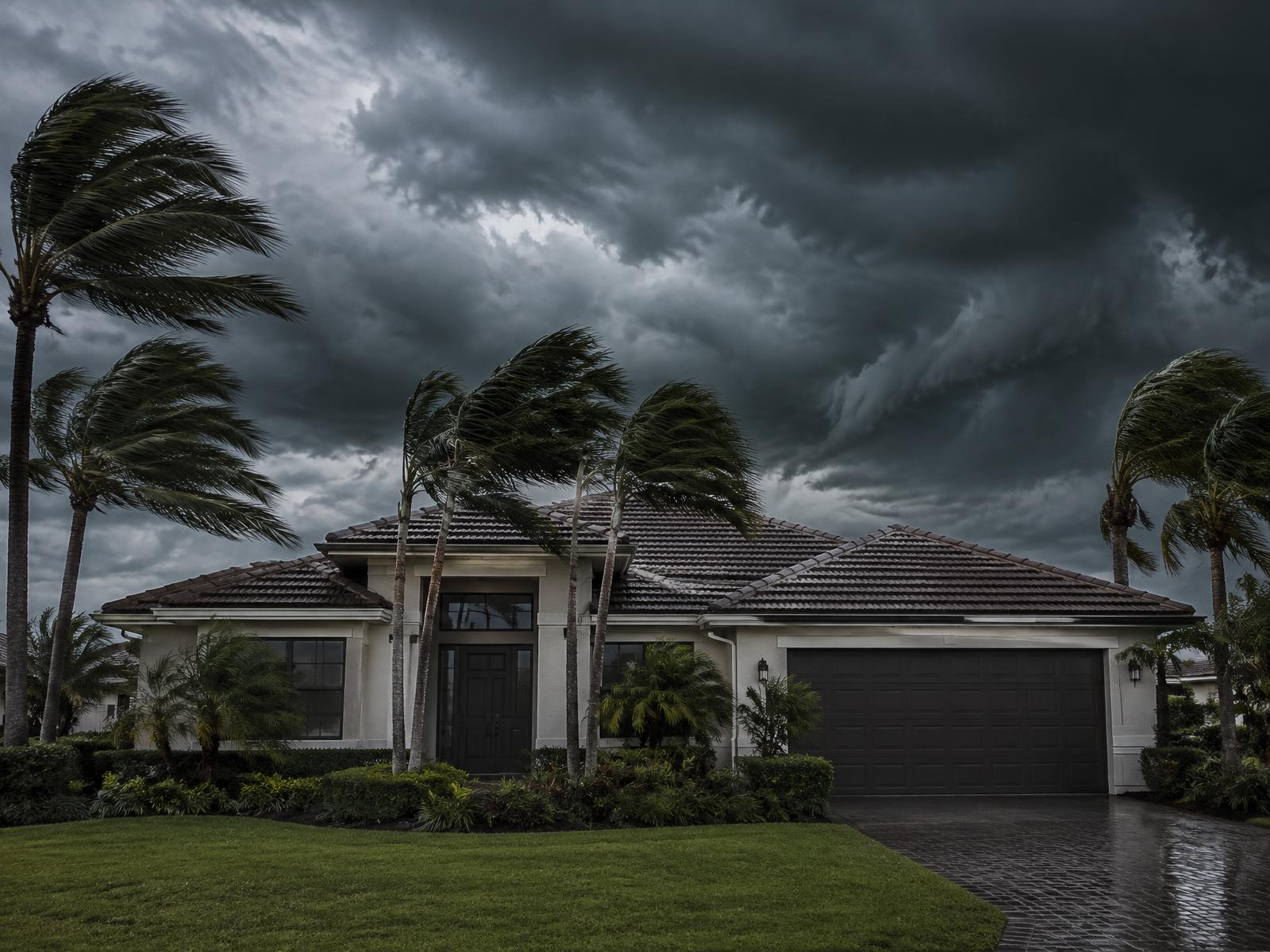
 Illustration
Check Which Wind Features Are Documented
Mark each feature as documented, not present, or not sure. The summary shows what is still missing.
Check Which Wind Features Are Documented
Choose only what you can support with inspection details or documents. This checker does not determine eligibility.
- 1. Building codeBuilding code: the home's year built or documents show it was built to the 2001 Florida Building Code or later
- 2. Roof coveringRoof covering documentation shows the applicable standard or installation date
- 3. Roof deck attachmentRoof deck attachment is documented
- 4. Roof-to-wall connectionRoof-to-wall connection is documented (clips, single wraps, or double wraps)
- 5. Roof shapeRoof shape qualifies as hip under the form's definition
- 6. Secondary water resistanceA qualifying secondary water resistance layer is documented
- 7. Opening protectionOpening protection: windows, glass doors, entry doors and the garage door all have qualifying impact protection
When does the five-year period begin?
The inspection date on the signed form starts the period, not the date the insurer processes it. Keep the full report so the date, inspector information, classifications, and photographs stay together. A screenshot of one page may not be enough for later use.
Up to five years is the form's maximum statement under unchanged conditions. It does not guarantee that every insurer accepts every old report without review. Check with your insurance agent when changing insurers or renewing near the end of that period.
Set a reminder several months before expiration. That gives time to schedule a visit, clear safe access, and collect updated records without rushing during a policy deadline.
What changes may justify a new report?
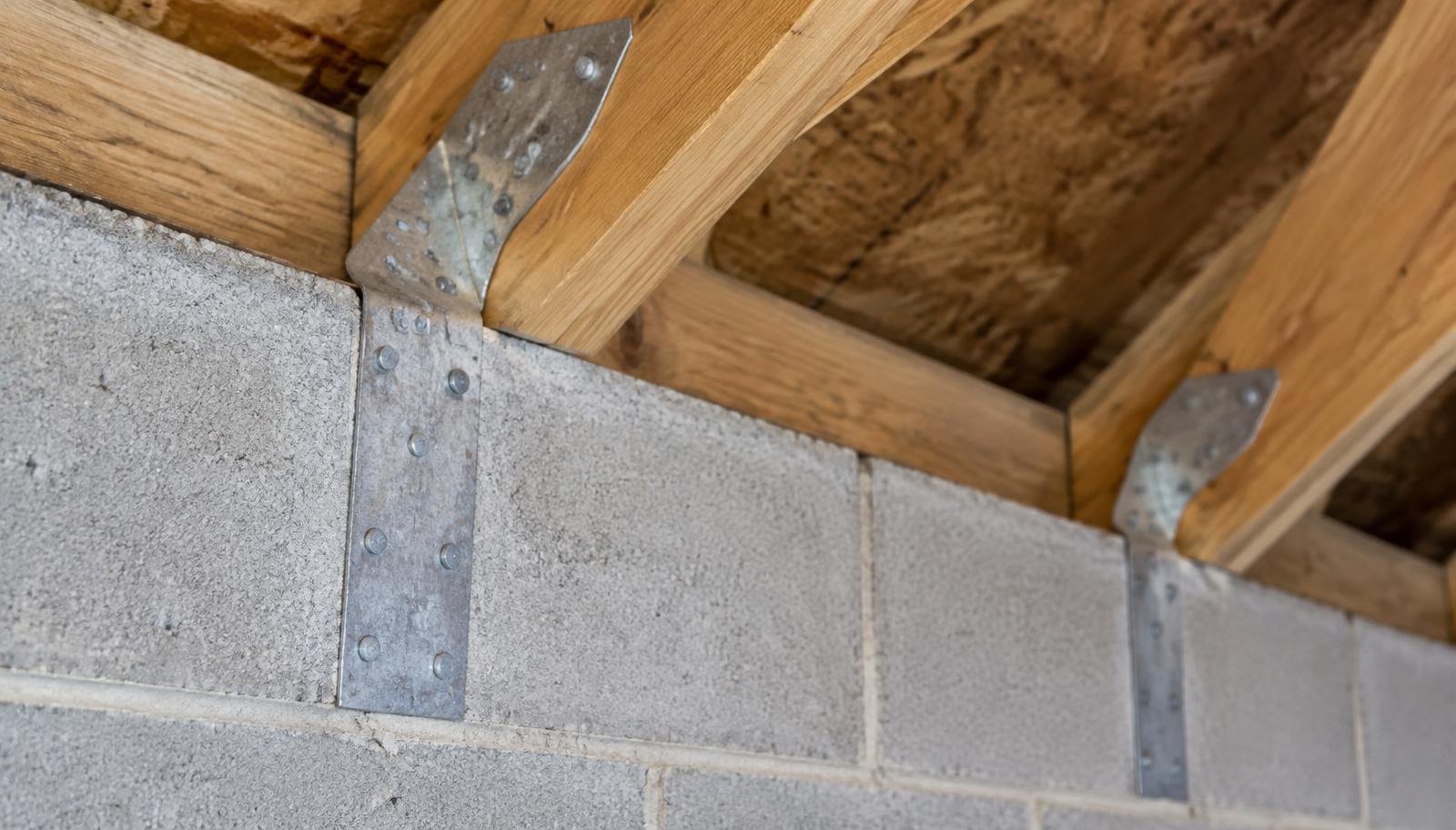
A full roof replacement can change covering documentation, deck attachment, and secondary water resistance. New windows, doors, shutters, or a garage door can change opening protection. Roof-to-wall upgrades can change the connection classification when the full relevant area is documented.
An addition may change roof geometry and introduce openings with different protection. Because the form can be controlled by the weakest condition, one new unprotected opening may matter. Update records after the work rather than relying on memory years later.
Storm damage and repairs can also change what the old photos represent. If a material feature was altered, ask the inspector and agent whether a new form is appropriate. Do not use an old report to imply a feature is unchanged when you know it is not.
How should I preserve the evidence?
Keep the signed form, all pages, photographs, paid invoice, and product or installation documents. Store a digital copy and a separate backup. File names should include the property and inspection date so the right version is easy to identify.
After upgrades, save labels and photographs before finishes cover the work. Roof deck nails, water-barrier layers, clips, and wraps may be difficult or impossible to photograph later. Ask for clear images that show both the feature and enough context to understand its location.
Send the report through the process your agent provides. Then check the policy documents for the applied classification. The inspection and the insurer's rating record are related but separate; keep both.
Common questions
Does a wind report expire exactly at five years?
The form says valid for up to five years if no material changes occurred. Insurer handling can vary, so ask your agent before the date rather than assuming automatic acceptance. Keep the signed form, photographs, and supporting documents together.
Do I need a new report after a new roof?
It is often useful because covering, attachment, or secondary water resistance documentation may change. Ask your agent when the new report should be submitted. Keep the signed form, photographs, and supporting documents together.
Can an old report prove current shutters?
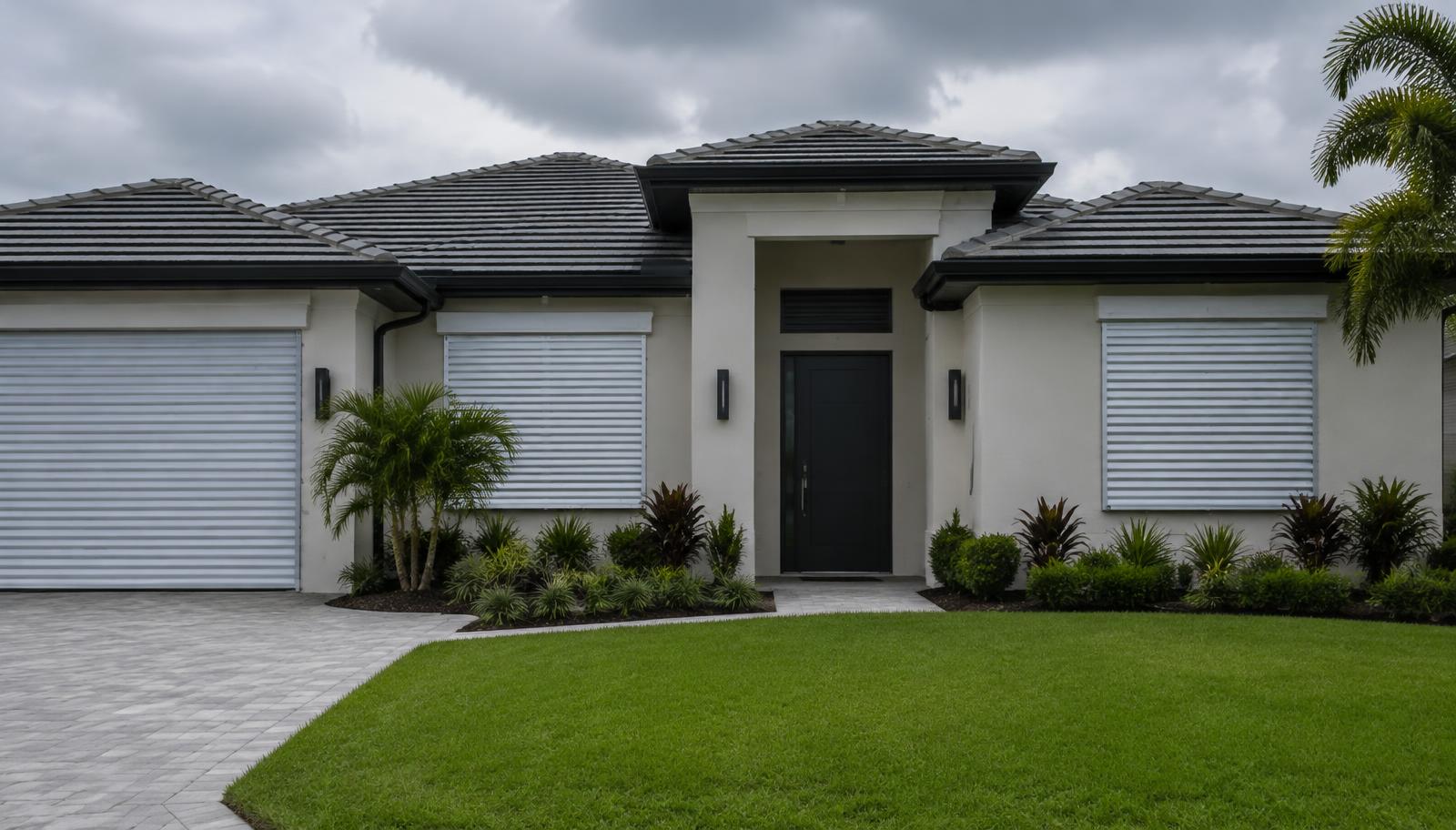
Only if the conditions and products remain unchanged and the insurer accepts it. Replaced, removed, or incomplete protection can make old photographs misleading. Keep the signed form, photographs, and supporting documents together.
Updated November 5, 2026